

Permanent Makeup, also known as Kalıcı Makyaj, is a cosmetic procedure where pigments are implanted into the upper layers of the skin using specialized tools. This technique mimics the look of makeup, enhancing features like the eyebrows, eyeliner, and lips. Permanent makeup can save time, create symmetry, and give a more polished appearance without the need for daily application of conventional makeup. It is a popular choice for individuals who want to enhance their natural beauty or reduce the need for frequent touch-ups.
How Does Permanent Makeup Work?
Permanent makeup is similar to tattooing but uses different pigments designed for the face. During the procedure, a technician applies pigment into the skin using a fine needle or a handheld device. The color is chosen based on the patient’s natural skin tone and desired look. Techniques such as microblading for the eyebrows, permanent eyeliner, and lip pigmentation allow for the customization of each treatment. While the results are called “permanent,” the effects fade over time, usually lasting between 1 to 3 years depending on the person’s skin type, lifestyle, and aftercare.
Who Can Benefit from Permanent Makeup?
Permanent Makeup is ideal for people who want to save time in their daily beauty routines, enhance their natural features, or correct asymmetries. It’s especially beneficial for those who have difficulty applying traditional makeup due to allergies, vision issues, or physical limitations such as unsteady hands. This treatment is also helpful for individuals who have lost eyebrow hair due to over-plucking, aging, or medical conditions like alopecia. Permanent makeup can offer long-lasting results that enhance facial features without the need for daily maintenance.
Types of Permanent Makeup Procedures
Permanent makeup can be applied to several areas of the face, including:
Eyebrows: Microblading or shading can be used to create fuller, natural-looking eyebrows. This is ideal for those with sparse or thin eyebrows who want to define their brow shape.
Eyeliner: Permanent eyeliner enhances the lash line by adding pigment to the eyelids. This procedure can be tailored to create a subtle or more dramatic look, depending on the individual’s preference.
Lips: Lip blushing or full lip color treatments can define the lips’ shape and add a natural tint, giving the appearance of fuller, more even lips. This technique helps balance asymmetries and adds a youthful color to the lips.
The Permanent Makeup Procedure
Before the procedure, a detailed consultation is carried out to understand the patient’s goals, skin type, and facial structure. The practitioner helps choose the right pigment color and shape for the desired effect. The area is then numbed with a topical anesthetic to minimize discomfort. During the session, which can last between 1-3 hours depending on the area being treated, pigments are meticulously implanted into the skin using a fine needle or blade. After the procedure, the pigment will initially appear darker but will gradually soften and fade to the desired color over the healing period, which typically takes 1-2 weeks.
Advantages of Permanent Makeup
Permanent makeup offers numerous benefits for those seeking a low-maintenance solution to their beauty routine. It saves time on daily makeup application, ensures a consistently polished look, and enhances facial features. The results are long-lasting, reducing the need for frequent touch-ups. For individuals with busy lifestyles, allergies to conventional makeup, or physical limitations, permanent makeup provides an effective alternative to traditional cosmetics.
How Long Does Permanent Makeup Last?
The results of Permanent Makeup are long-lasting but not truly permanent. Depending on the area treated and the technique used, the effects typically last between 1 to 3 years. Over time, the pigments naturally fade as the skin renews itself. A touch-up session may be required every 12-18 months to maintain the color and shape of the makeup.
Post-Treatment Care and Healing Process
After the procedure, it is essential to follow the aftercare instructions provided by the practitioner to ensure proper healing and optimal results. The treated area may appear darker for the first few days, and slight swelling or redness can occur. It’s important to avoid exposure to water, direct sunlight, and makeup application on the treated area during the healing process. The skin will gradually heal, with the final color settling in over 2 to 4 weeks. Regular moisturizing and protection from the sun are key to prolonging the results of the treatment.
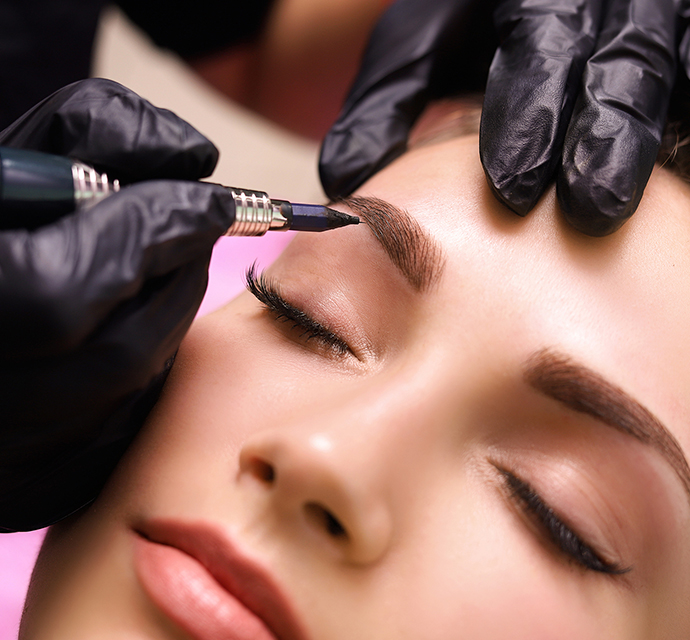
Depending on the area being treated, the procedure can take between 1 to 3 hours. Eyebrow microblading typically takes about 2 hours, while permanent eyeliner and lip procedures may take slightly longer.
After the procedure, avoid water, sun exposure, and makeup application on the treated area for about 7-10 days. Keeping the area clean and moisturized will help with the healing process, and you should avoid picking at any scabs that form to prevent pigment loss.
Yes, the color will fade gradually over time, becoming lighter as the pigments are absorbed by the skin. Initially, the pigment may appear darker, but it will soften as the skin heals. Regular touch-ups can help maintain the color.