
Stretch Mark Treatment is a specialized procedure aimed at reducing the appearance of stretch marks, which are a form of scarring that occurs when the skin is stretched beyond its natural elasticity. Stretch marks commonly appear during periods of rapid growth or weight change, such as pregnancy, adolescence, or significant weight loss. These marks, often found on the abdomen, thighs, hips, or arms, can vary in color and texture, but modern treatments offer effective ways to reduce their visibility and restore smoother, more even-toned skin.
How Does Stretch Mark Treatment Work?
This treatment typically involves a combination of advanced technologies such as laser therapy, microneedling, or radiofrequency to target the underlying layers of skin where stretch marks form. The chosen method depends on the type and severity of the stretch marks, as well as the patient’s skin type. Laser therapy, for example, uses light energy to break down scar tissue and stimulate collagen production, which helps to repair and renew the skin. Microneedling creates tiny punctures in the skin, encouraging the body’s natural healing process to generate new, healthy skin cells. These techniques help fade the appearance of stretch marks, making them less noticeable over time.
Who Can Benefit from Stretch Mark Treatment?
Stretch Mark Treatment is suitable for individuals of all ages and skin types who are looking to reduce the visibility of stretch marks. It’s particularly beneficial for those who have developed stretch marks due to pregnancy, rapid weight fluctuations, or growth spurts during puberty. While stretch marks are a common and natural part of life, many people choose to undergo treatment to improve their skin’s appearance and regain confidence. It is also ideal for those who want to enhance skin texture and tone in affected areas.
Types of Stretch Mark Treatment Options
There are several treatment options available to target stretch marks:
Laser Therapy: Utilizes light energy to target deeper layers of the skin, breaking down scar tissue and promoting new collagen growth. This is especially effective for older, more established stretch marks.
Microneedling: Involves creating micro-injuries in the skin to stimulate natural healing processes and encourage new collagen and elastin production. This helps smooth out the texture of stretch marks and improve skin elasticity.
Radiofrequency: Uses controlled heat to stimulate collagen production deep within the skin. This treatment tightens and rejuvenates the skin, making stretch marks less visible.
Topical Treatments: Professional-grade creams or serums that contain retinoids, hyaluronic acid, or peptides may also be used in combination with other procedures to further enhance results.
What to Expect During the Procedure
During your initial consultation, the practitioner will assess your skin and determine the best treatment plan based on the type and severity of your stretch marks. Most treatments, such as laser therapy or microneedling, are performed in sessions that last between 30 to 60 minutes. Depending on the chosen method, a numbing cream may be applied to minimize discomfort. The procedure typically involves little to no downtime, though some redness or mild swelling may occur post-treatment. Over the following weeks, the treated areas will gradually heal, and the appearance of stretch marks will diminish.
Results and Aftercare
The results of Stretch Mark Treatment can be seen gradually over time, as the skin heals and new collagen is produced. Multiple sessions may be required to achieve optimal results, depending on the severity of the stretch marks. Patients typically notice smoother skin, improved texture, and a reduction in the visibility of stretch marks. After treatment, it’s important to follow a proper skincare regimen to maintain the results, which includes keeping the skin hydrated and protecting it from sun exposure. Your practitioner will provide personalized aftercare instructions based on the specific treatment performed.
Long-Term Benefits
Stretch mark treatments not only reduce the visibility of marks but also improve the overall quality of the skin in the treated areas. Collagen production stimulated by procedures like microneedling or laser therapy helps the skin maintain firmness and elasticity. With consistent care and follow-up treatments, patients can enjoy long-lasting results that continue to improve the appearance of their skin over time.
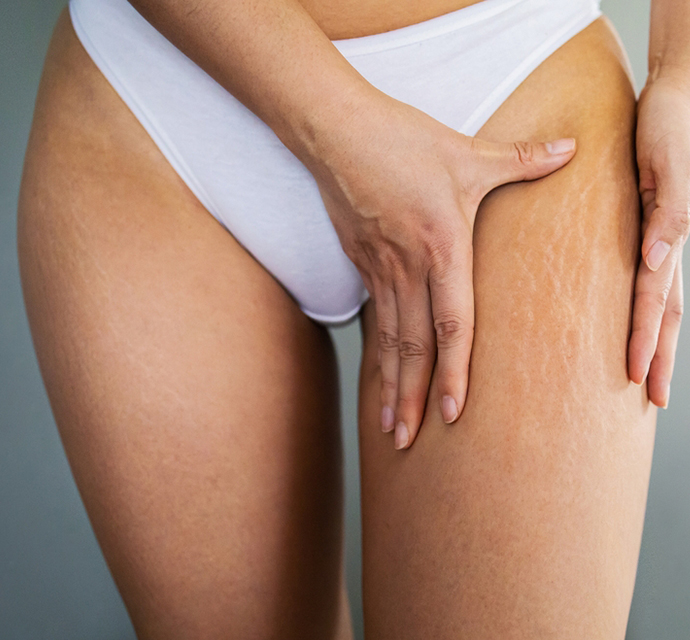
Stretch Mark Treatment involves various methods to reduce the appearance of stretch marks, using techniques such as laser therapy, microneedling, and radiofrequency to stimulate collagen production and renew the skin.
The number of sessions needed depends on the severity of your stretch marks and the type of treatment. Typically, multiple sessions are required to achieve the best results, with visible improvement after each session.
Results develop gradually over time as the skin heals and collagen is produced. Most patients start noticing an improvement after a few weeks, with full results becoming visible after several sessions.