

Buccal fat is the fat between your cheekbones and jaw bones that help make up the shape of your face. Everyone has buccal fat, but some people have more than others.
Buccal fat removal is a plastic surgery to remove the fat in this area of your face. Removing this fat can highlight the bone structure in your face, especially your cheekbones and the hollowed-out areas between your cheeks and jawline. This procedure is also sometimes called a cheek reduction.
Who is a good candidate for buccal fat removal?
Some people may feel the roundness in their cheeks creates a fullness to their face they don’t like. Having a cheek reduction can alleviate the sense of fullness or “chubbiness” of your cheeks.
You may consider having this procedure if you:
- Don’t like the appearance of fullness in your cheeks.
- Are otherwise healthy and have a stable weight.
You may not be a good candidate for bichectomy if your face is narrow or if you’re over a certain age, as buccal fat naturally diminishes with age.
What happens during a buccal fat removal surgery?
During your procedure, you can expect the following:
- You’ll receive a local anesthetic to numb the skin on your face so you won’t feel any pain. You’ll remain awake during the procedure. If you’re having more than one procedure done at the same time, you may receive general anesthesia. Your provider will want you to arrange for transportation afterward if you receive general anesthesia.
- Your plastic surgeon will make a small incision on the inside of your mouth on both sides of your face to expose the buccal fat pads.
- Your provider will press gently on the fat pads to further expose them, then cut and remove the fat pads.
- Finally, your provider will close the incisions with sutures. Often, the sutures are dissolvable. Your provider will let you know if you need to come back for suture removal after your procedure.
What is the recovery time for buccal fat removal surgery?
After your procedure, your provider will give you instructions on what to do to promote healing. They may give you a special mouth rinse to help with healing and prevent infection. You’ll be on a liquid diet for a day or two while your incisions start to heal. Gradually, you can add soft foods to your diet as your provider says it’s OK.
Some things you can expect after surgery:
- Swelling.
- Bruising.
- Numbness at the incision sites.
These should gradually fade as your body heals. Healing time is usually about three weeks. It will take time — usually several months — before you’ll see the final results.
Before & After
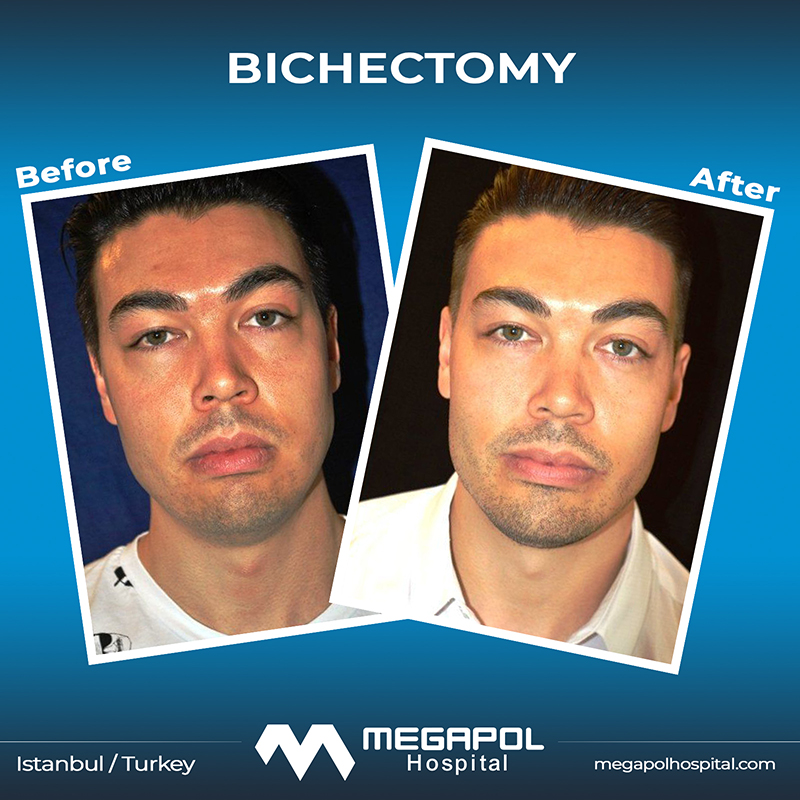
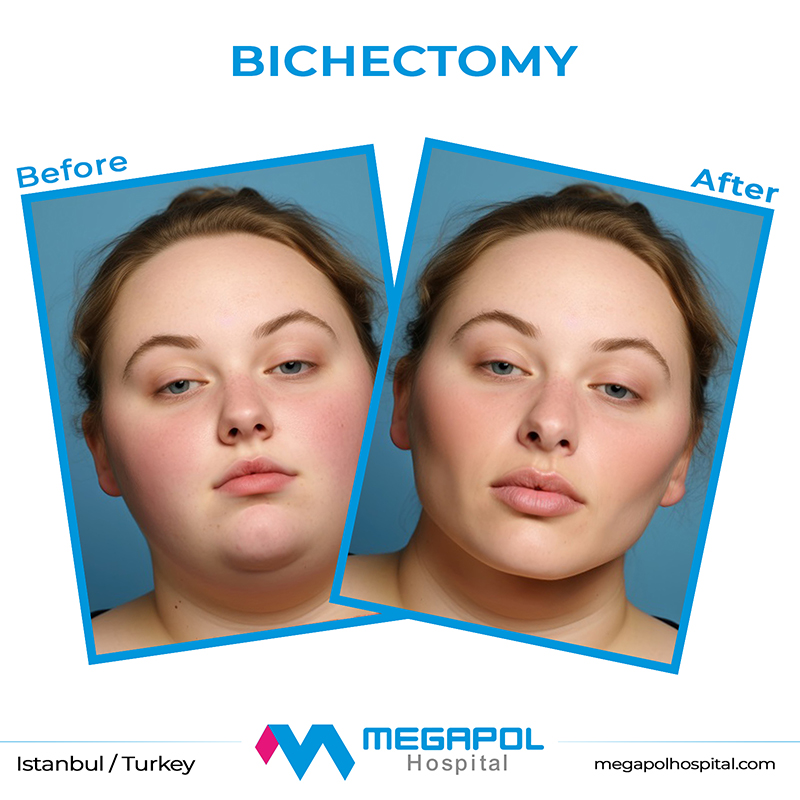

Facelift surgery performed with an experienced doctor and the correct technique applied should last more than 10 years.
Since the surgery is performed under general anesthesia, patients do not feel anything during the operation. Therefore, the surgery is completely painless. After the procedure, there may be some tenderness, stiffness or mild pain in the surgical area, but all possible problems can be controlled by medication.
For the first few days after facelift surgery, your activities should be significantly restricted and you should rest with your head elevated. As a general rule, you should plan to relax for the first week after surgery. You should limit your sun exposure for a few months and take plenty of time to rest so that your body can heal faster.
Treatment Process
The procedure can vary from person to person, but in general;